
Mastering Indoor Lighting: The Ultimate Guide to Do's and Don'ts
Discover how to perfectly illuminate your home by understanding the common challenges and essential do's and don'ts of indoor lighting.
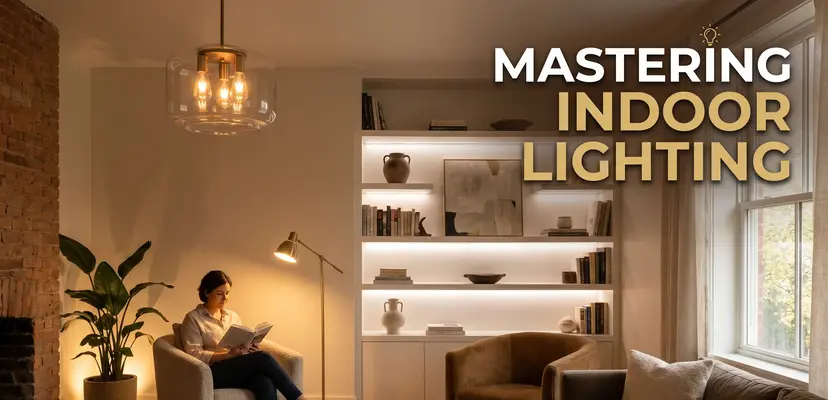
Lighting is arguably the most crucial element to consider when designing your home. It has the power to completely transform the ambiance and overall aesthetic of a space. Since your home is your ultimate sanctuary, achieving the perfect lighting is essential for your everyday comfort.
While planning your home's lighting might seem straightforward initially, the practical application often reveals unexpected complexities. You will likely encounter hurdles that shift your perspective, or you may discover architectural details in your home that only truly shine under the right illumination.
Common Indoor Lighting Challenges
Before diving into solutions, it is important to understand the common hurdles homeowners face when installing indoor lights:
- Balancing Form and Function: Finding fixtures that satisfy both your aesthetic preferences and practical needs.
- Strategic Placement: Positioning lights to maximize their benefit while avoiding harsh glares that strain the eyes.
- Mood Setting: Selecting the exact right type of light to establish a specific atmosphere in a given room.
To help you combat these challenges and master your home's illumination, we have compiled a comprehensive guide covering the essential Do's and Don'ts of indoor lighting.
The Do's of Indoor Lighting
Follow these best practices to ensure a beautifully lit and highly functional space.
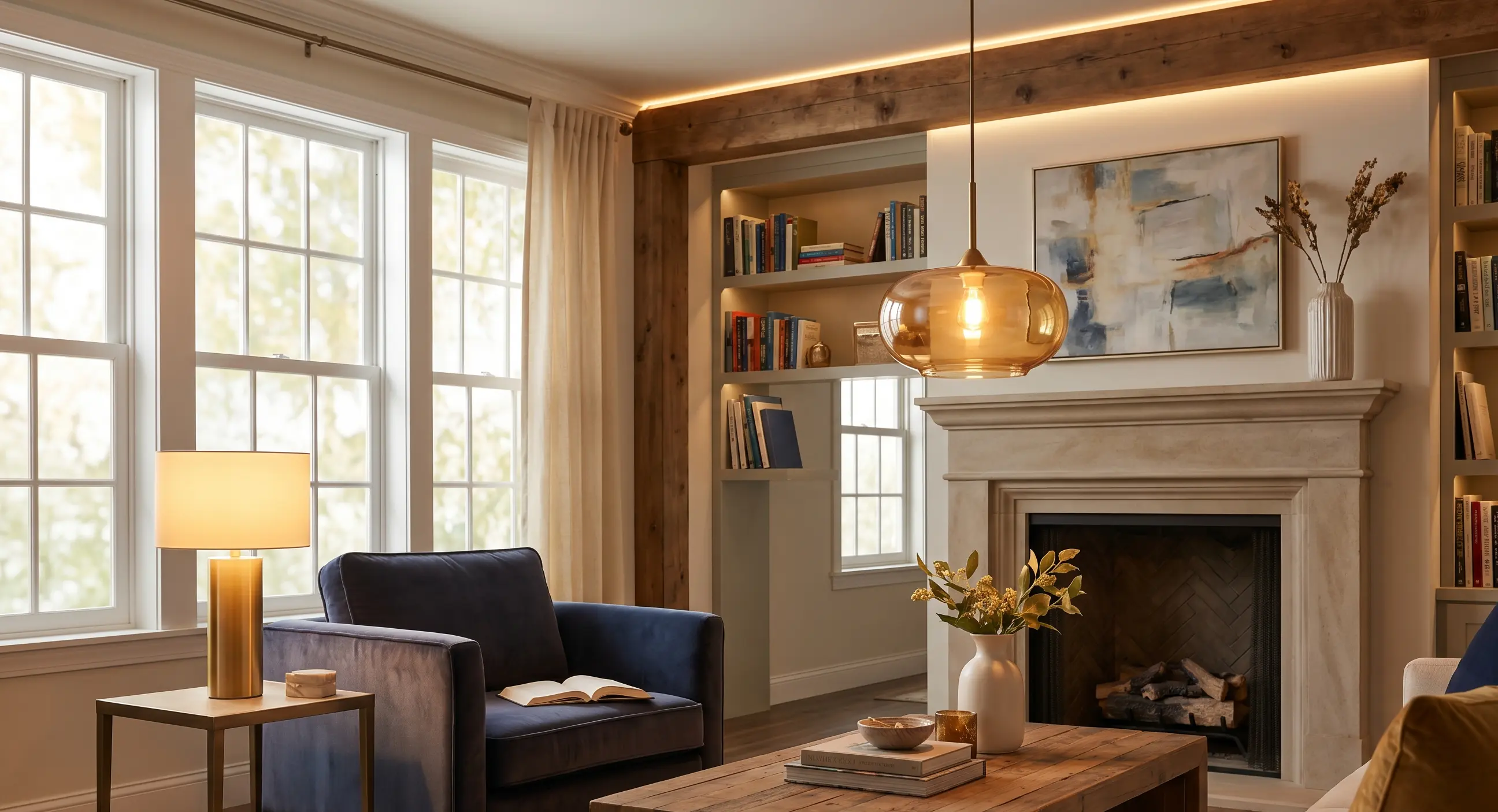
- Do layer your lighting: Combine different light sources, such as ambient (overhead), task, and accent lighting, to create a balanced, comfortable environment. Layering distinct fixtures, like a stylish pendant alongside targeted task lamps, gives your room depth and character.
- Do install dimmer switches: The ability to control brightness is invaluable. Dimmers allow you to easily shift the mood and atmosphere of a room throughout the day.
- Do pay attention to color temperature: Use cooler temperatures (crisp white and blue tones) for task-oriented areas like kitchens and bathrooms. Opt for warmer temperatures (soft yellow and off-white tones) to foster a cozy, inviting atmosphere in living rooms and bedrooms.
- Do choose energy-efficient LEDs: LED bulbs lower electricity costs and reduce your environmental footprint while offering excellent illumination.
- Do highlight focal points: Place lamps and fixtures strategically to draw attention to artwork, architectural details, or centerpieces. Just ensure these spotlight effects are diffused enough to prevent glare.
- Do plan early: If you are building or renovating, finalize your lighting plan from the very beginning. Your lighting choices often dictate the best surfaces and materials to use in the space.
The Don'ts of Indoor Lighting
Avoid these common pitfalls to keep your home looking its best.
- Don't rely solely on overhead lighting: A single light source from above can cast unflattering shadows and create a harsh, uninviting atmosphere. Always mix and match your sources.
- Don't ignore the task at hand: Avoid using lighting that is too bright or too dim for a specific area. Poorly calibrated lighting will break your concentration and hinder your ability to work or relax properly.
- Don't mix color temperatures in the same room: Combining warm and cool bulbs in a single space creates an unbalanced, disorienting effect. Dedicate specific temperatures to specific rooms, for example, warm for the living room and cool for the master bathroom.
- Don't prioritize form over function: Don't buy a fixture just because it looks pretty. In the long run, how well a light functions for your daily routines is what matters most.
- Don't neglect natural light: Sunlight is vital for your health and your home's aesthetic. Observe how sunlight enters your space throughout the day and design your artificial lighting to complement and maximize it.
- Don't overdo recessed lighting: While popular, recessed ceiling lights are not ideal for illuminating vertical surfaces like walls and art. Use them sparingly and in conjunction with other fixtures.
Conclusion
By keeping these fundamental rules in mind, you will be well-equipped to choose and install the perfect lighting for your sanctuary. Functionality and atmosphere go hand in hand, and a thoughtful approach to illumination will elevate your home’s design to the next level. Happy decorating!
Read more
Top Decorative Wall Lights to Transform Your Home with Style and Function
Know about the modern and top-rated decorative wall lights that add elegance to your home with both style and functionality.
How to Choose Pendant Lights for Small Rooms
A simple guide to help you choose pendant lights for small rooms that also assist you free up space and provide a wider look of your compact area.
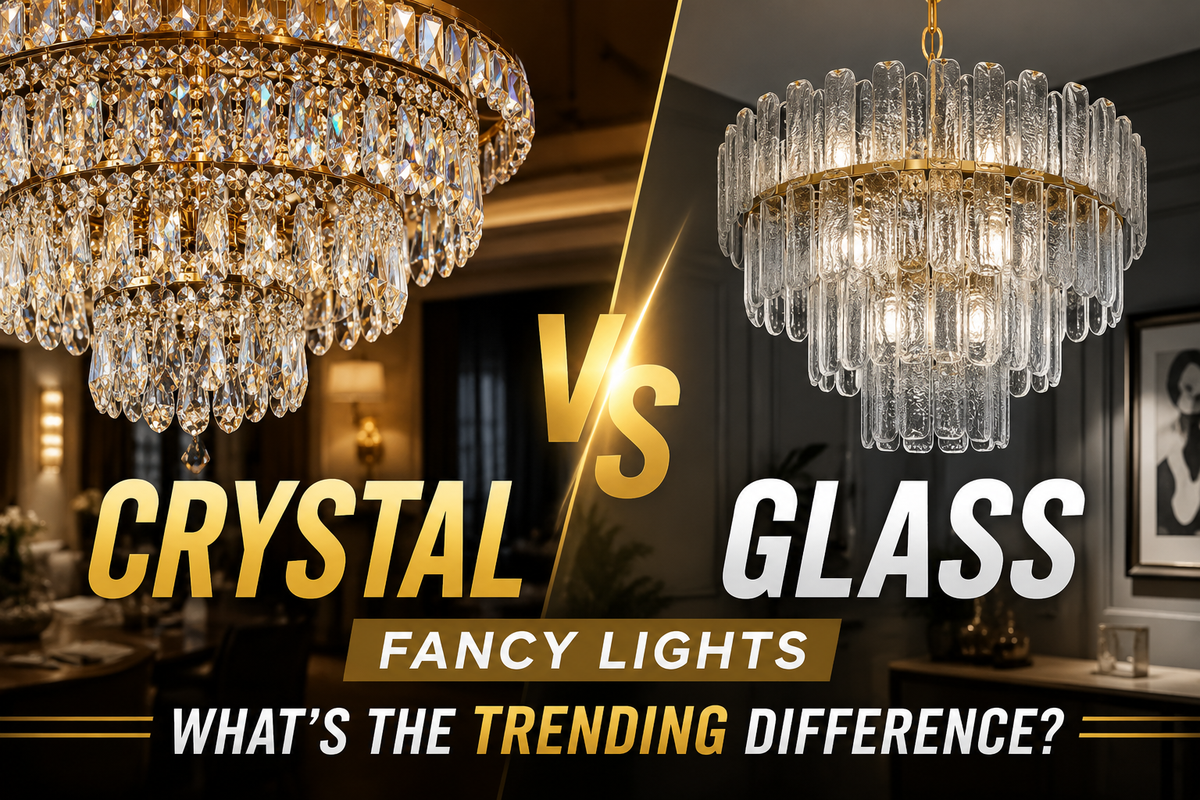
Crystal vs Glass Fancy Lights: What's the Trending Difference?
Get a deeper understanding of modern lighting trends, crystal vs glass fancy lights, to make an informed decision and let your interiors stand out.