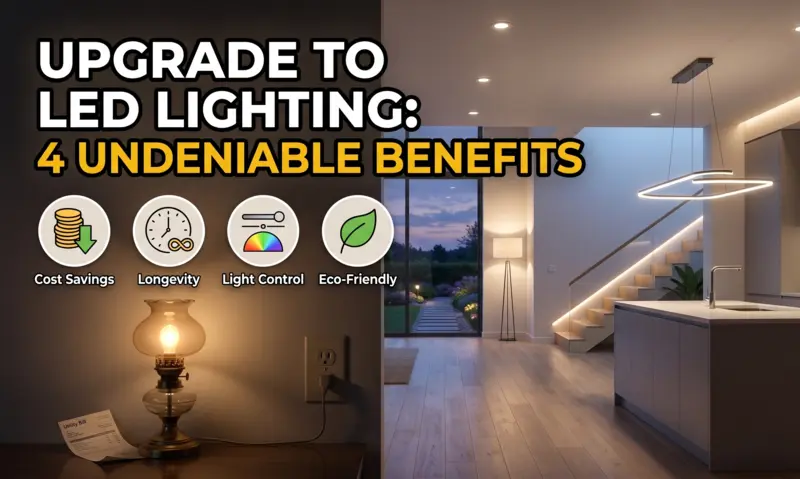
Why It’s Time to Upgrade to LED Lighting: 4 Undeniable Benefits
Discover why LED lights have become the industry standard. From massive energy savings to environmental benefits, learn why you should make the switch today.
For decades, the traditional tungsten incandescent bulb was the undisputed king of illumination. As technology progressed, fluorescent lights entered the scene, offering a more efficient alternative that quickly became the standard for offices, hospitals, and homes. However, the lighting industry has recently experienced a massive paradigm shift: the global adoption of Light Emitting Diodes (LEDs).
LEDs are not just a passing trend; they are a fundamental upgrade to how we light our spaces. If you are still relying on outdated incandescent or fluorescent fixtures, here is a comprehensive look at why upgrading to LED indoor and outdoor lighting is one of the best decisions you can make for your home.
1. Unmatched Energy Efficiency
If reducing your monthly utility bills is a priority, LEDs are the ultimate solution. Traditional incandescent bulbs are notorious for wasting energy in fact, they release about 90% of their energy as heat rather than light.
LEDs, on the other hand, are highly efficient. They consume approximately 10% of the energy required by a standard incandescent bulb to produce the exact same level of brightness. This means you can keep your home beautifully lit and bright while significantly cutting down on your electricity costs.
2. A Greener, Safer Environment
While consuming less electricity inherently reduces your carbon footprint, LED lights are eco-friendly in several other critical ways.
- Zero Toxic Materials: Fluorescent tubes and compact fluorescent lamps (CFLs) contain mercury vapor, a highly hazardous substance. If a fluorescent bulb breaks, it poses an immediate health risk to humans and pets and requires careful disposal.
- Safe and Sustainable: LEDs are completely free of mercury and other toxic chemicals. They are 100% recyclable and significantly safer for both your household and the planet.
3. Exceptional Lifespan and Low Maintenance
One of the most frustrating aspects of older lighting technologies is how frequently they burn out. Constantly replacing bulbs is not only expensive but also tedious and environmentally wasteful. LEDs operate differently; instead of suddenly burning out, they experience "lumen depreciation," meaning their brightness very slowly fades over an extended period.
Here is a quick look at how traditional lighting compares to modern LEDs:
| Bulb Type | Average Lifespan | Replacement Frequency |
|---|---|---|
| Incandescent | 750 - 1,000 hours | High |
| Fluorescent | 8,000 - 10,000 hours | Moderate |
| LED | 25,000+ hours | Extremely Low |
By switching to LEDs, you may go years or even decades without needing to climb a ladder to replace a burnt-out bulb.
4. Rugged Durability
Durability is a major factor, especially when it comes to outdoor lights that must withstand harsh weather conditions, wind, and potential impacts.
Traditional bulbs are made with fragile glass enclosures and delicate internal filaments that easily shatter or break upon impact. LEDs are a type of solid-state lighting. They do not rely on fragile filaments and are typically encased in tough plastic, epoxy, or acrylic lenses. This makes them incredibly robust, highly resistant to vibrations, and capable of enduring drops that would easily destroy a standard glass bulb.
Conclusion
Transitioning your entire house to LED lighting might seem like a tedious weekend project, but the long-term rewards are undeniable. You will enjoy a brighter home, dramatically lower electricity bills, zero maintenance headaches, and the peace of mind that comes with making an environmentally responsible choice.
LEDs are the future of home design. If you are ready to make the switch and upgrade your space, explore high-quality, long-lasting LED lighting solutions to bring your home into the modern era efficiently and beautifully.
Read more
Top Decorative Wall Lights to Transform Your Home with Style and Function
Know about the modern and top-rated decorative wall lights that add elegance to your home with both style and functionality.
Crystal vs Glass Fancy Lights: What's the Trending Difference?
Get a deeper understanding of modern lighting trends, crystal vs glass fancy lights, to make an informed decision and let your interiors stand out.
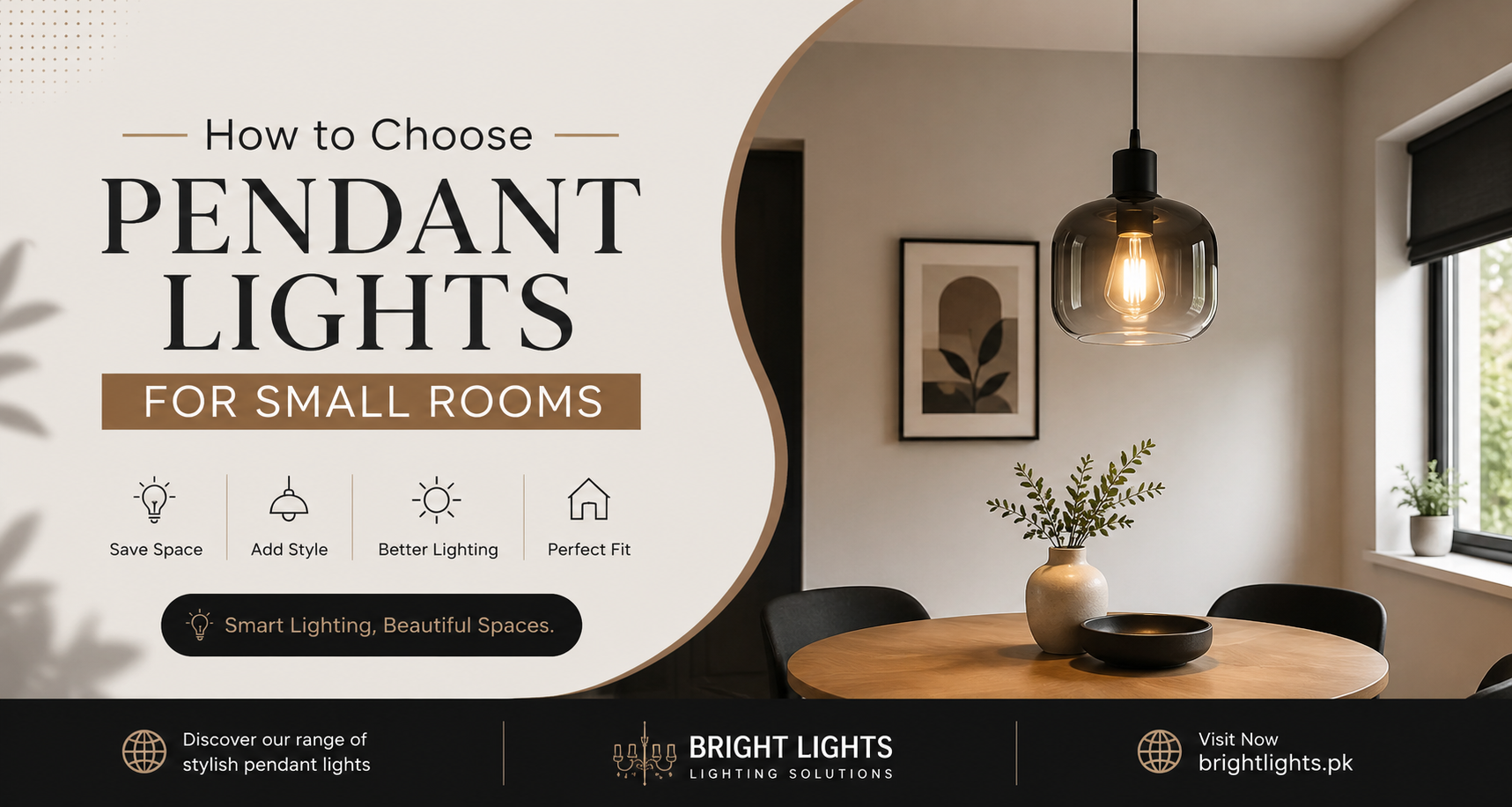
How to Choose Pendant Lights for Small Rooms
A simple guide to help you choose pendant lights for small rooms that also assist you free up space and provide a wider look of your compact area.